

UNDRIP Bill C-15
UNDRIP Bill C-15: Advancing Indigenous Rights and Reconciliation
UNDRIP Bill C-15 marks a significant milestone in the journey towards recognizing and protecting the rights of Indigenous peoples in Canada. This page provides an overview of the bill, its implications, and its importance for the Anishinaabe of the Kitchizibi First Nation and other Indigenous communities across the country.
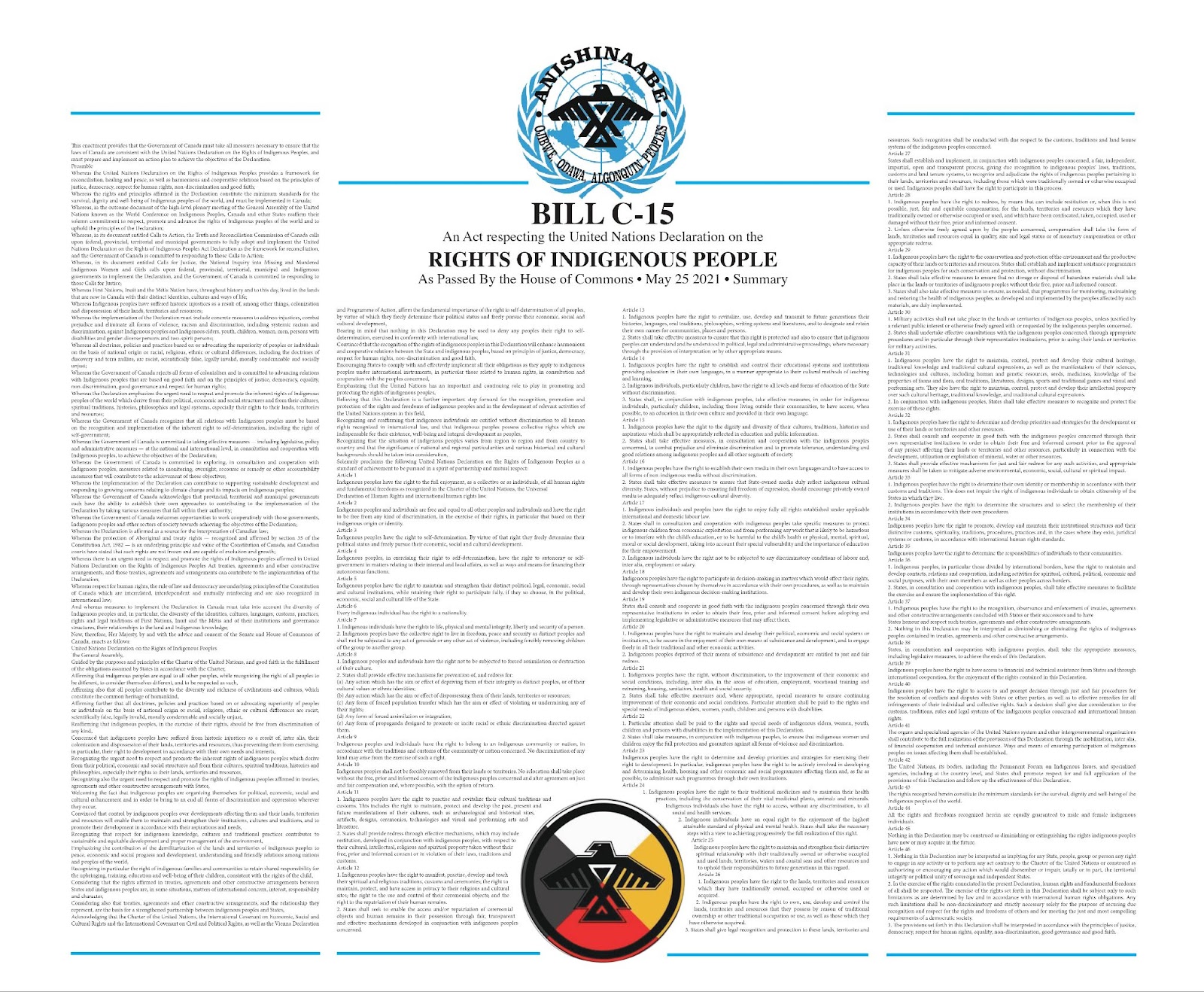
Understanding UNDRIP
The United Nations Declaration on the Rights of Indigenous Peoples (UNDRIP) is an international instrument adopted by the United Nations in 2007. UNDRIP establishes a universal framework of minimum standards for the survival, dignity, and well-being of Indigenous peoples worldwide. It addresses a wide range of issues, including land rights, cultural preservation, self-determination, and protection from discrimination.
Introduction of Bill C-15
In December 2020, the Government of Canada introduced Bill C-15, also known as the United Nations Declaration on the Rights of Indigenous Peoples Act. This bill aims to align Canadian laws with the principles set out in UNDRIP, reinforcing the country’s commitment to upholding Indigenous rights and promoting reconciliation.
Key Provisions of Bill C-15
Bill C-15 outlines several critical provisions to advance the implementation of UNDRIP in Canada:
- Affirmation of Rights: The bill affirms that the UNDRIP has application in Canadian law and highlights the government’s commitment to respecting and upholding the rights of Indigenous peoples.
- National Action Plan: Bill C-15 mandates the creation of a national action plan to achieve the objectives of UNDRIP. This plan will be developed in consultation and cooperation with Indigenous peoples, ensuring their active participation and input.
- Consistency Review: The bill requires the federal government to review existing laws and policies to ensure consistency with UNDRIP principles. This review aims to identify and address any discrepancies that may undermine Indigenous rights.
- Annual Reporting: The government is obligated to provide annual reports to Parliament on the progress made towards implementing the national action plan and achieving the objectives of UNDRIP.
Significance for the Anishinaabe of the Kitchizibi First Nation
For the Anishinaabe of the Kitchizibi First Nation, Bill C-15 represents a crucial step towards justice and equality. By embedding UNDRIP principles into Canadian law, the bill enhances the recognition and protection of our rights, including:
- Land Rights: Affirming our rights to our ancestral lands and ensuring our ability to protect and manage these lands sustainably.
- Cultural Preservation: Protecting our cultural heritage, languages, and traditions from erosion and promoting their revitalization.
- Self-Determination: Empowering our community to make decisions about our own affairs, free from external imposition and interference.
- Non-Discrimination: Ensuring equal treatment and protection from discrimination in all areas of life, including education, employment, and healthcare.
A Path to Reconciliation
Bill C-15 is not just about legal alignment; it is a powerful symbol of the commitment to reconciliation between Indigenous peoples and the Canadian state. It acknowledges the historical injustices faced by Indigenous communities and takes concrete steps to address these wrongs. The bill’s emphasis on consultation and cooperation ensures that our voices are heard and our perspectives are considered in shaping policies that affect our lives.
Moving Forward
While Bill C-15 is a significant achievement, the journey towards full implementation of UNDRIP and the realization of our rights continues. The Anishinaabe of the Kitchizibi First Nation remains dedicated to advocating for our rights and working collaboratively with the government to ensure the promises of UNDRIP are fulfilled.
We invite all members of our community to stay informed, engaged, and united in our efforts to achieve justice and equality. Together, we can build a future where our rights are respected, our cultures thrive, and our people prosper.